7 Reasons to Take Part in the Make:able Challenge
The Make:able Challenge is a global design initiative that invites students, educators, and makers to use 3D design and 3D printing to create solutions for people with disabilities and the elderly. Led by PrintLab in partnership with Autodesk, Make:able combines a real-world brief with a guided design process and a strong focus on human-centred design. Whether you’re new to the challenge or returning this year, here are seven reasons to take part.
22nd January 2026 • News
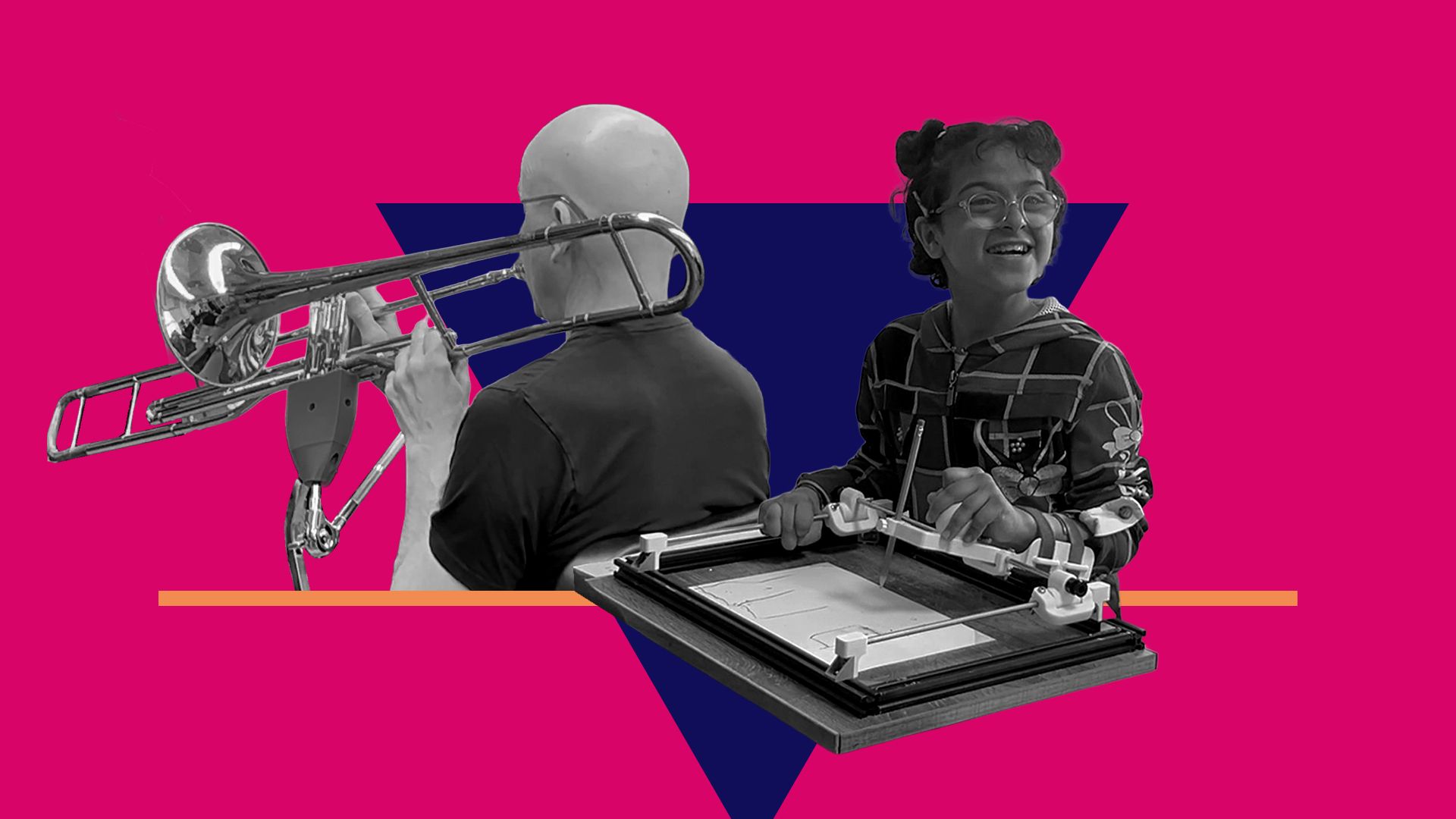
Before diving into the reasons, take a moment to watch this short highlight reel showcasing a few example Make:able entries.
1. Design for real people
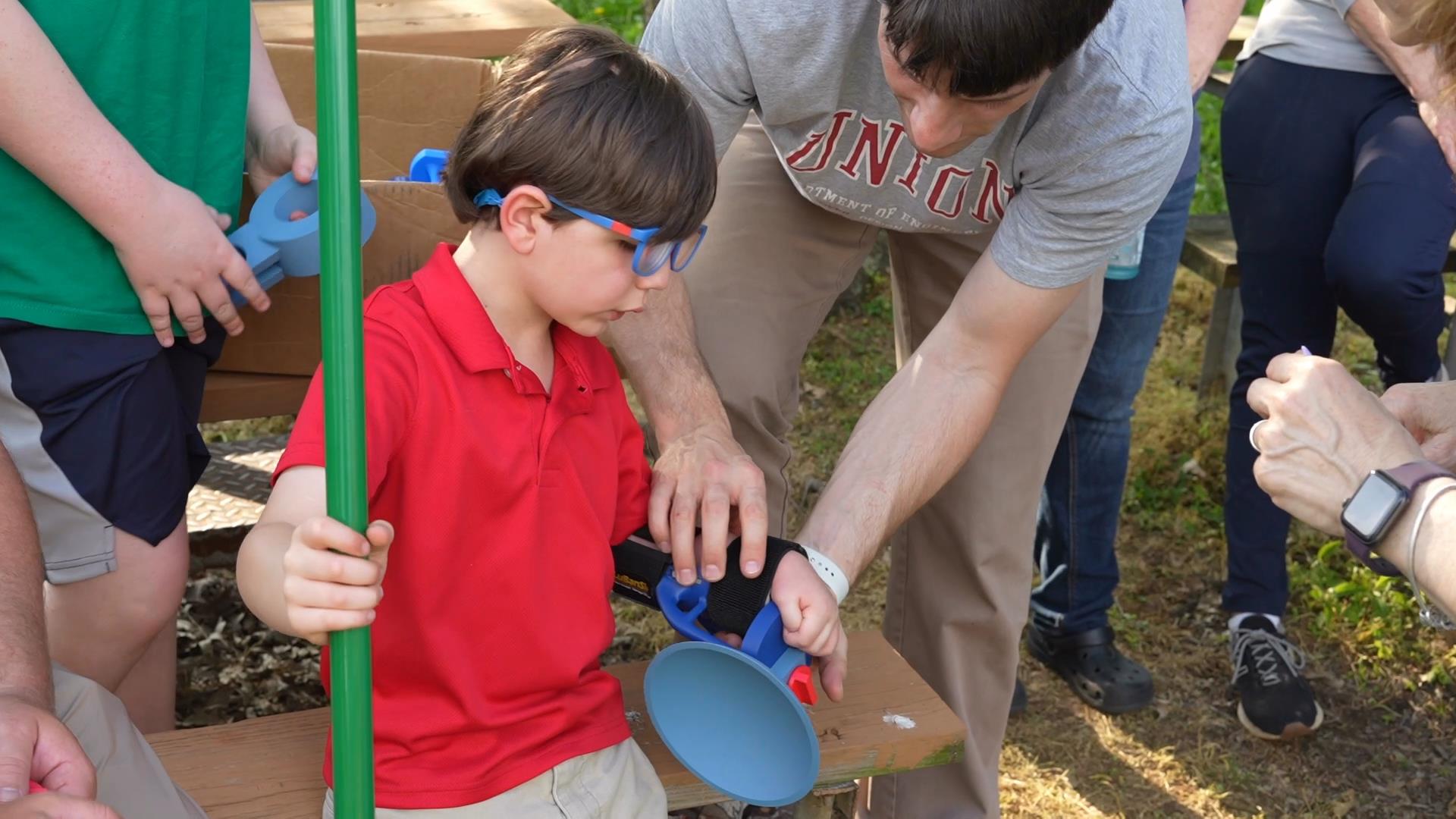
Make:able focuses on creating products that genuinely improve someone’s day-to-day life, not just solve a technical problem. Designing for a real person helps ensure solutions are practical, comfortable to use, and capable of bringing small moments of joy to someone else’s everyday experience.
2. Fully guided but open-ended
Make:able is built around a comprehensive online toolkit that guides participants through research, ideation, design, prototyping, and submission. While the process is clearly structured and simple to follow, the brief itself remains open-ended, allowing teams to explore different ideas and develop solutions that are shaped by their user and context.
3. Beyond CAD and 3D printing
Make:able goes beyond learning software or mastering machines by focusing on how design choices affect real people. Along the way, participants develop essential human skills such as empathy, communication, and collaboration by working together and designing around someone else’s needs.
4. For all skill levels
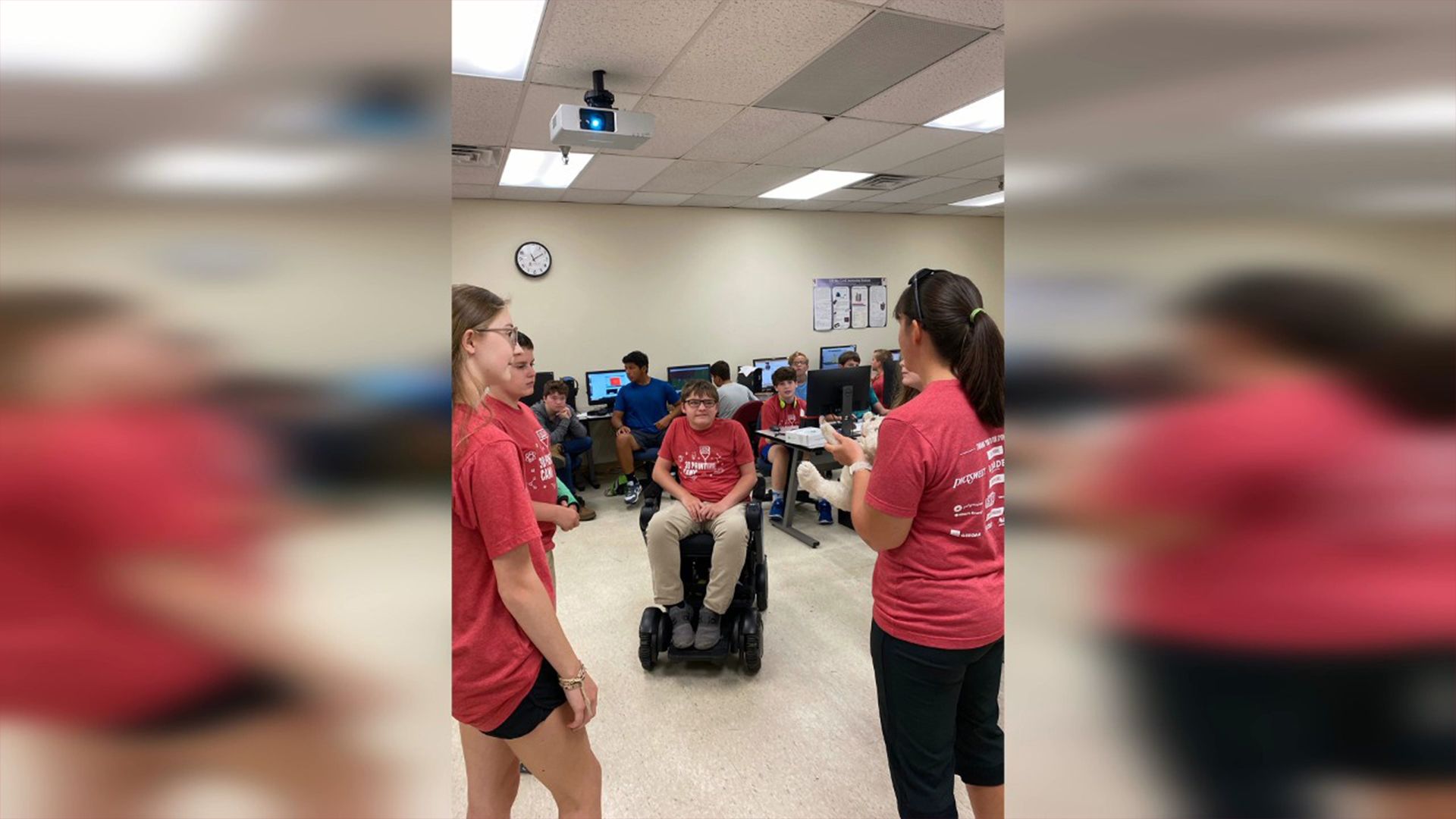
Make:able welcomes participants at any stage of their design journey, from complete beginners to experienced makers. Many of the most effective assistive devices are intentionally simple, and the challenge encourages straightforward, well-considered solutions that focus on usability rather than complexity. This means participants can create meaningful outcomes without advanced CAD skills or complex manufacturing.
5. Completely free
Make:able is completely free to enter and can be accessed from anywhere in the world, making the challenge open to individuals, schools, and organisations regardless of location. Everything is managed online, from registration and toolkit access to submission, allowing participants to focus on designing and making rather than logistics or cost.
6. Global impact
Make:able gives participants the opportunity to create solutions that can reach far beyond a single user or local community. Through optional open source sharing, designs can be adapted, improved, and used by others around the world, helping meaningful ideas travel further and benefit more people.
7. Industry-backed prizes
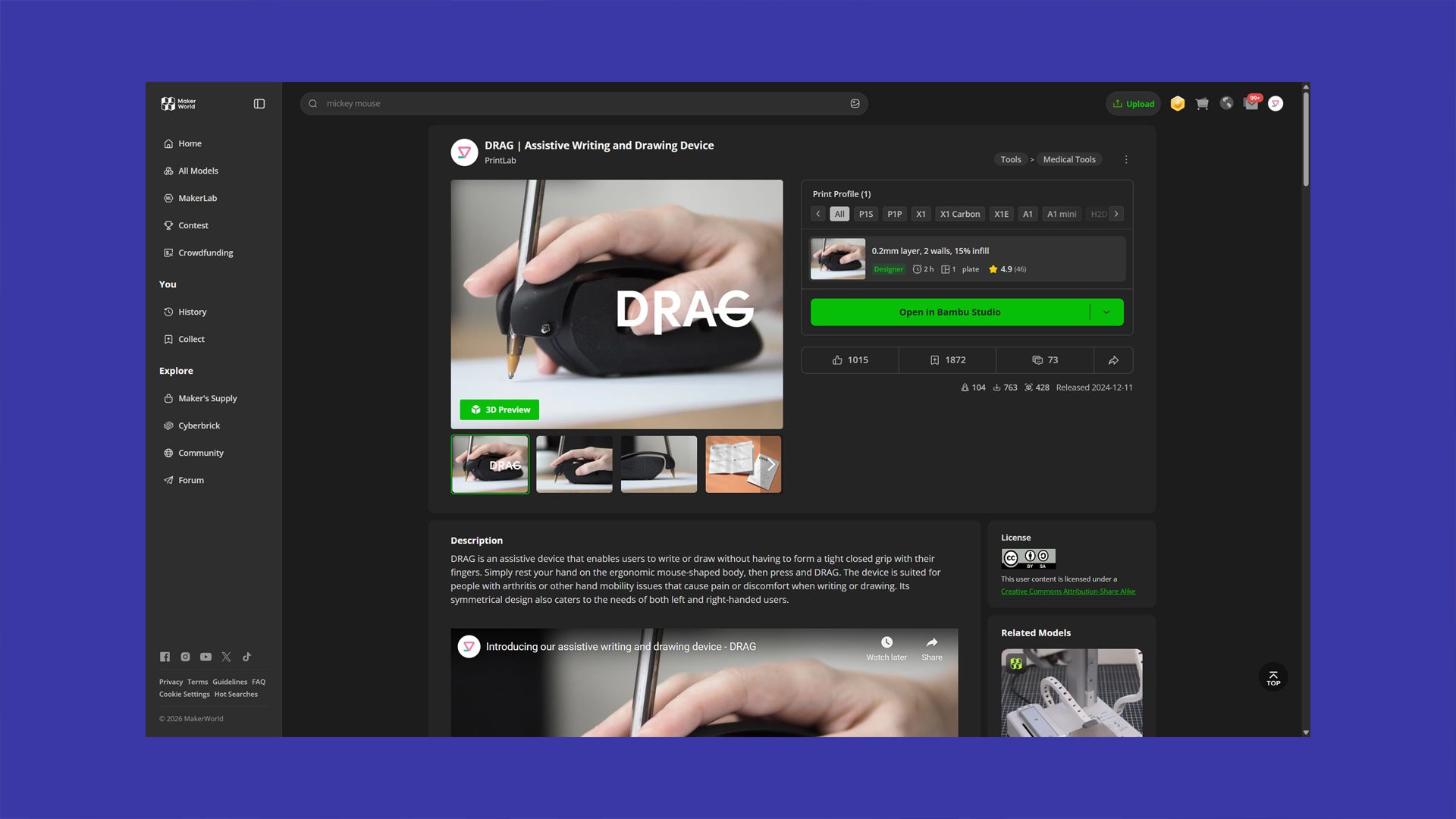
Make:able offers 18 prizes supported by industry partners, including 3D printers, 3D scanners, filament, and gift cards. These prizes add an extra layer of motivation and friendly competitiveness, while still rewarding thoughtful design, clear process, and real-world impact.
Bonus reason for teachers: Fully resourced and curriculum aligned
For educators using Make:able in the classroom, the challenge is supported by comprehensive teacher resources designed to make delivery straightforward and flexible. These include lesson plans, activity guidance, and curriculum alignment documents, helping teachers run a meaningful, real-world design project while staying aligned with existing schemes of work.
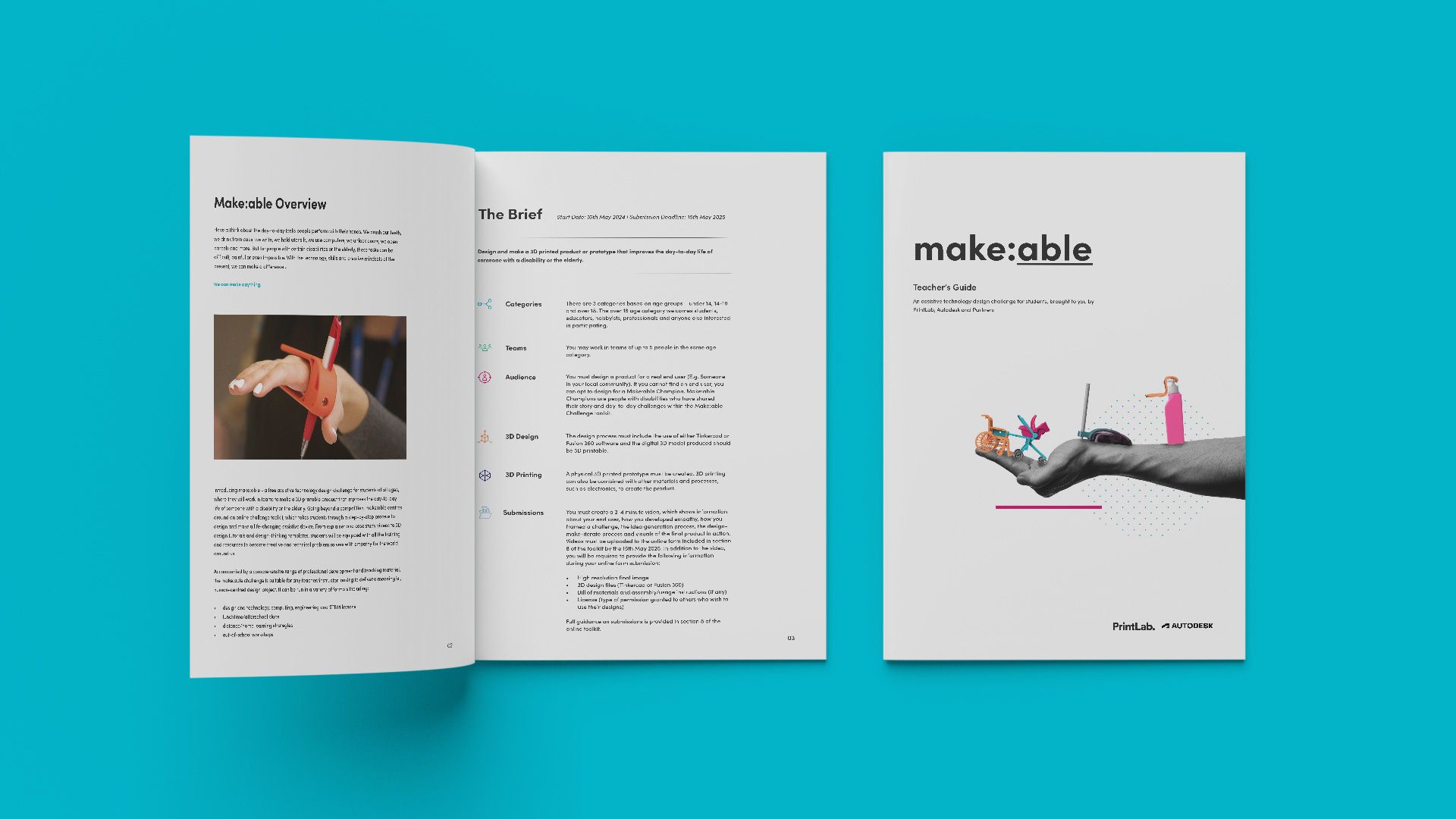
The Make:able Challenge is open now, with submissions for this year’s challenge accepted from 16 May 2025 to 15 May 2026, giving participants complete flexibility to work at their own pace. To get started, simply visit the Make:able website and register for free. Once signed up, you’ll receive access to the full online toolkit, guiding you through the entire process from preparation and design to final submission. Whether you’re taking part independently, as part of a team, or supporting learners along the way, everything you need to begin is available online.
Join the Make:able Challenge for free and access the online toolkit