The 2026 Make:able Challenge Winners
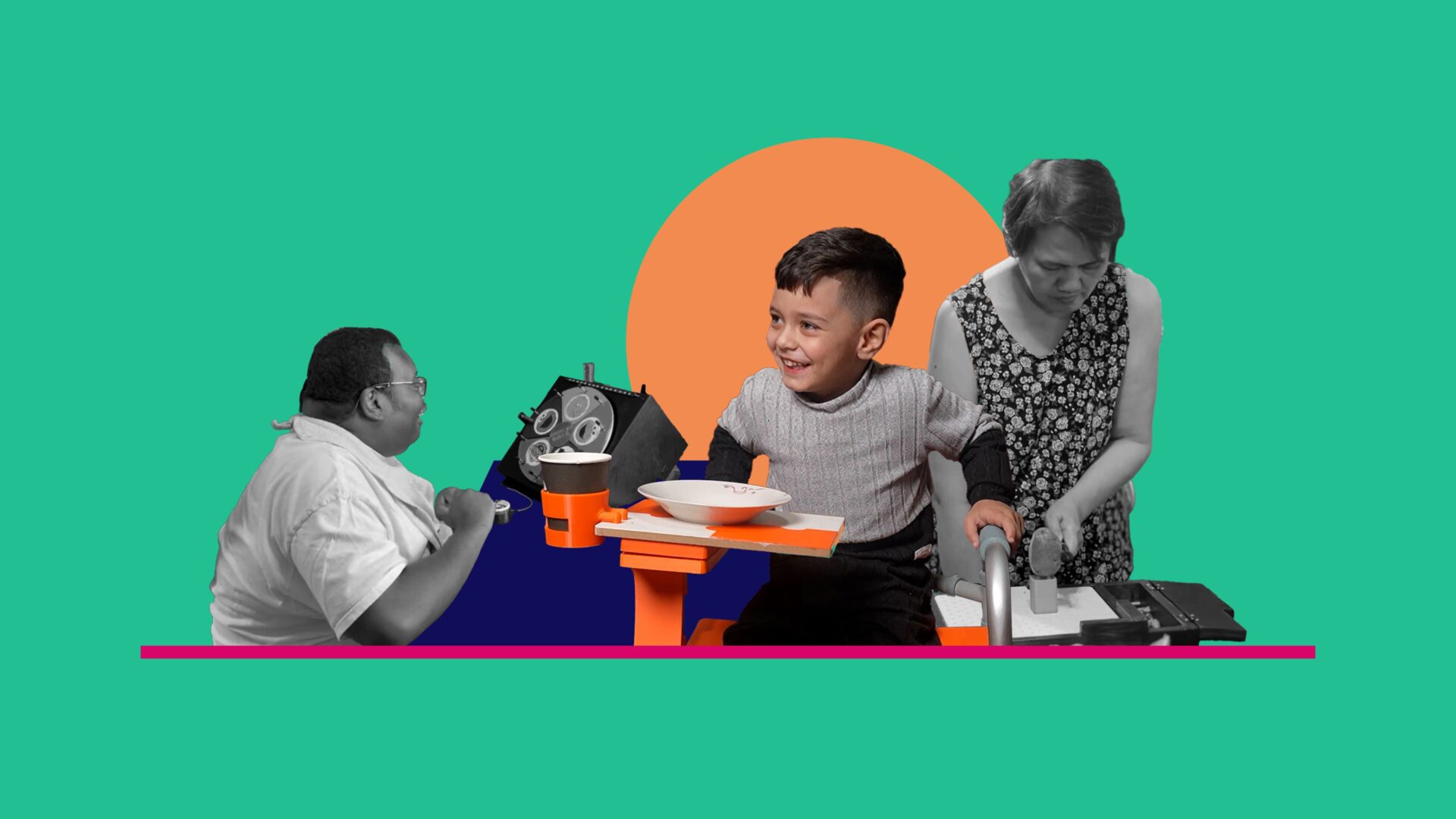
Over the past few months, students, educators, makers, and professionals from around the world have worked alongside end users to tackle real-world accessibility challenges. Through empathy, creativity, and iterative design, they have developed an inspiring collection of 3D printed assistive devices, each designed to improve someone's everyday life. Today, we're excited to celebrate the winners of Make:able 2026. Every submission showcased the power of human-centred design, and choosing the winners was no easy task.
1st July 2026 • News
Before we reveal the results, we’d like to thank a few people who made this year’s challenge possible:
- Autodesk, for their continued partnership and commitment to empowering the next generation of designers.
- Our sponsors, MatterHackers, Dynamism, and CREATE Education, for supporting this year’s prize pool and recognising the incredible work of our participants.
- Our partner organisations, for helping us shape, promote, and grow the challenge around the world.
- Our judging panel, for generously giving their time and expertise to review this year’s finalists.
- Every participant, educator, facilitator, and end user who took part. Thank you for making Make:able what it is.
The Judging Process
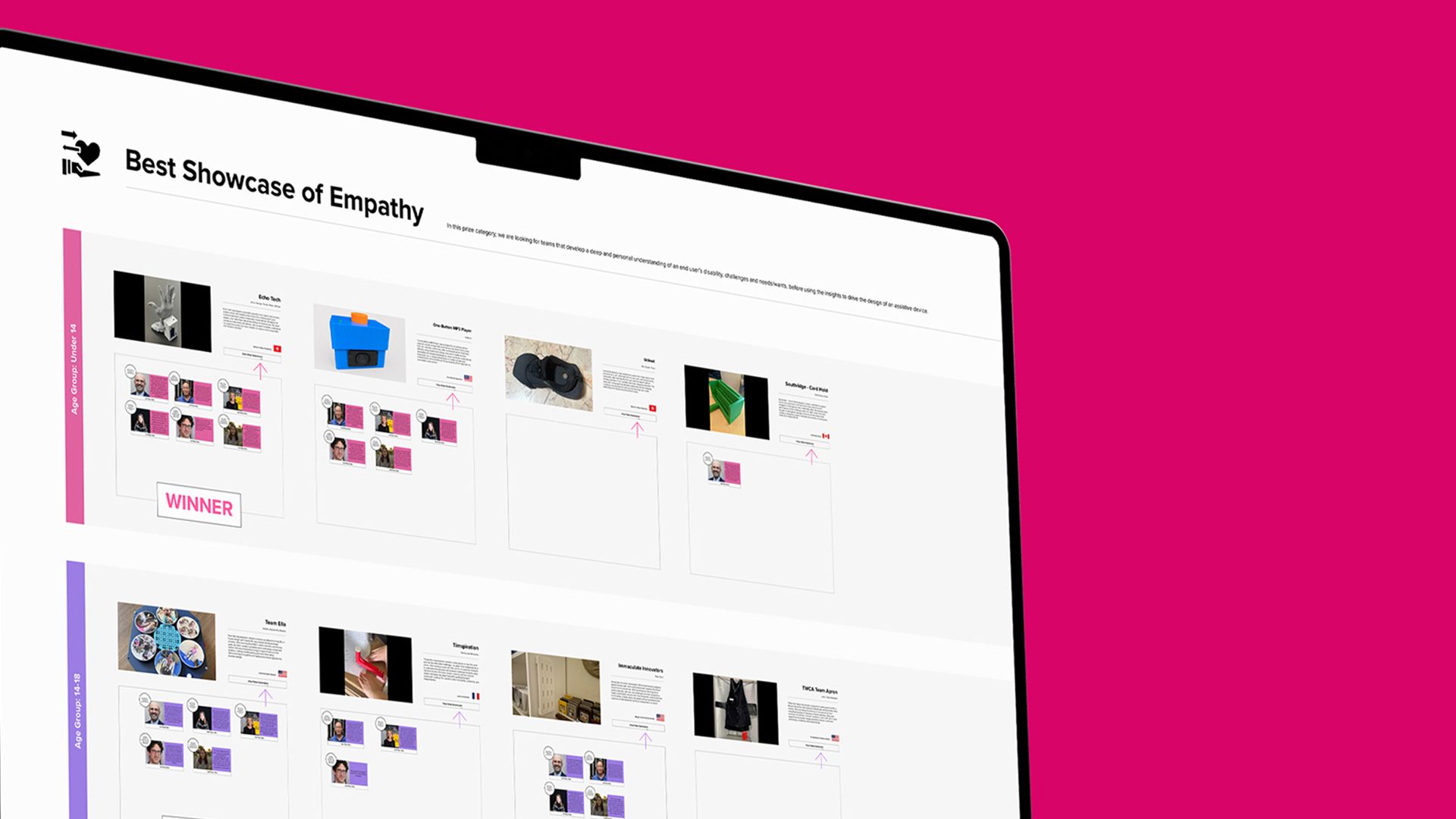
Finalist entries were reviewed through our online judging platform, with each judge assigned a specific award category. Judges selected their 1st and 2nd place entries, with points awarded for each selection. The scores were then combined to determine the winners across all categories.
Explore the Results
There are several ways to explore this year’s winning designs:
- Scroll down to explore the winning teams and watch their full video submissions.
- View the full online judging platform to see all finalist videos, judge comments, and votes.
- Watch the highlight reel below for a snapshot of this year’s winners.
And now, on to the winners, who will each receive a Bambu Lab A1 Mini 3D printer, generously provided by our sponsors.
Best Showcase of Empathy (Under 14)
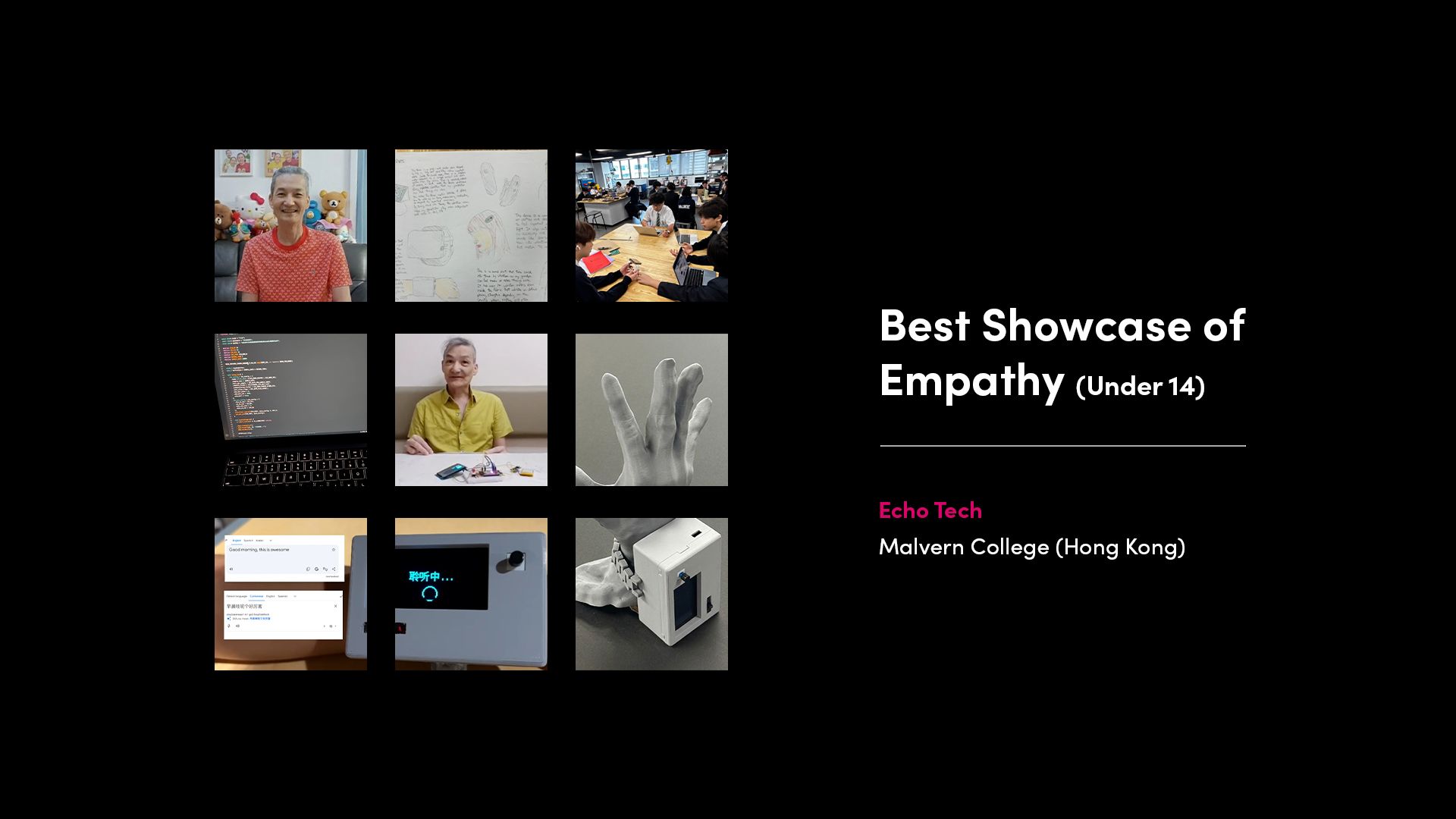
The winners of ‘Best Showcase of Empathy’ for the under 14 age group is Echo Tech from Malvern College (Hong Kong). Echo Tech developed a wearable speech-to-text watch that converts spoken words into readable text in real time, helping deaf users communicate more easily in everyday conversations. Designed for Jayden, who often feels disconnected due to hearing loss, the team carried out interviews, simulations, and research to better understand his experiences and use these insights to shape a more accessible and inclusive solution.
View Submission
Best Showcase of Empathy (14-18)
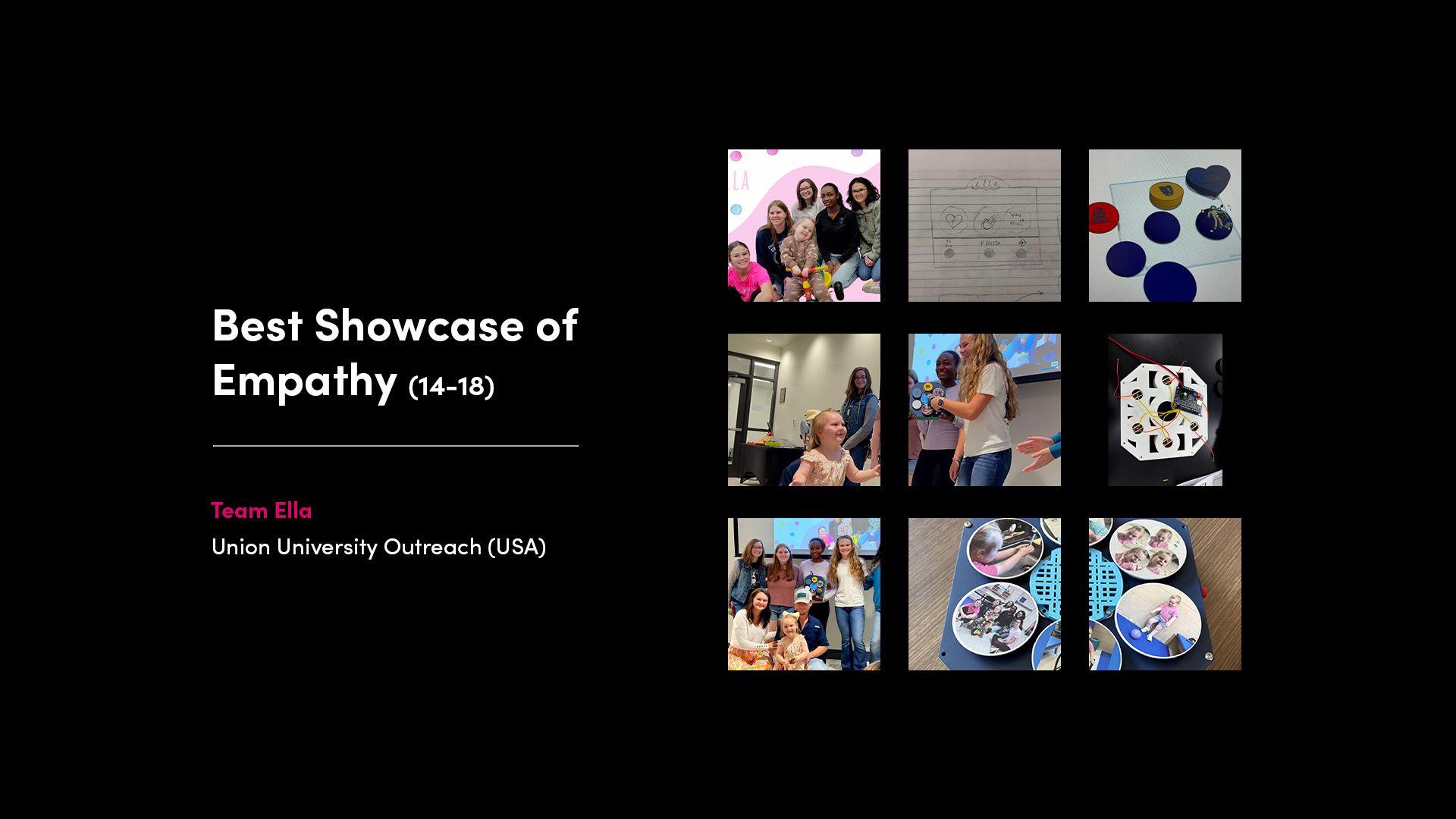
The winners of ‘Best Showcase of Empathy’ for the 14-18 age group is Team Ella from Union University Outreach (USA). Team Ella developed an adaptive musical soundboard to help Ella, a 5 year-old girl with Trisomy 15, stay focused during everyday activities. After learning about Ella’s needs, interests, and therapy goals, the team created a portable device with large customised buttons that play handpicked songs to support tasks such as playtime, cleanup, toothbrushing, and even trike riding, demonstrating a thoughtful and highly personalised approach to assistive design.
View Submission
Best Showcase of Empathy (Over 18)
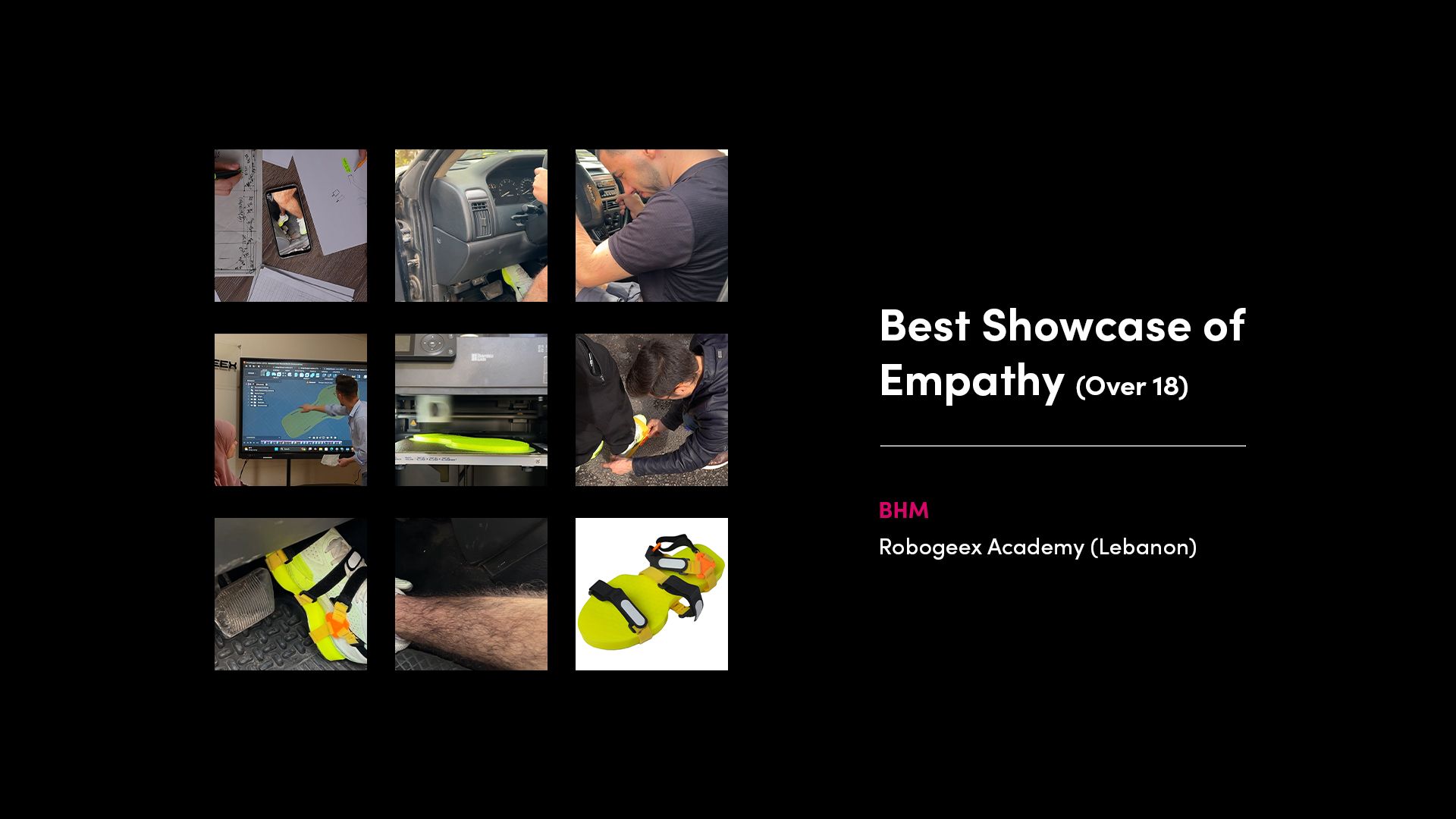
The winners of ‘Best Showcase of Empathy’ for the over 18 age group is BHM from RoboGeex Academy (Lebanon). BHM developed a custom 3D printed assistive foot device to help Chris, an 18 year-old with a leg length difference, drive more safely and confidently. After carefully studying Chris’s movement, foot positioning, and the challenges he faced while using vehicle pedals, the team went through multiple iterations of testing and refinement to create a secure and stable solution that improved both comfort and control while driving.
View Submission
Best Creative Idea (Under 14)
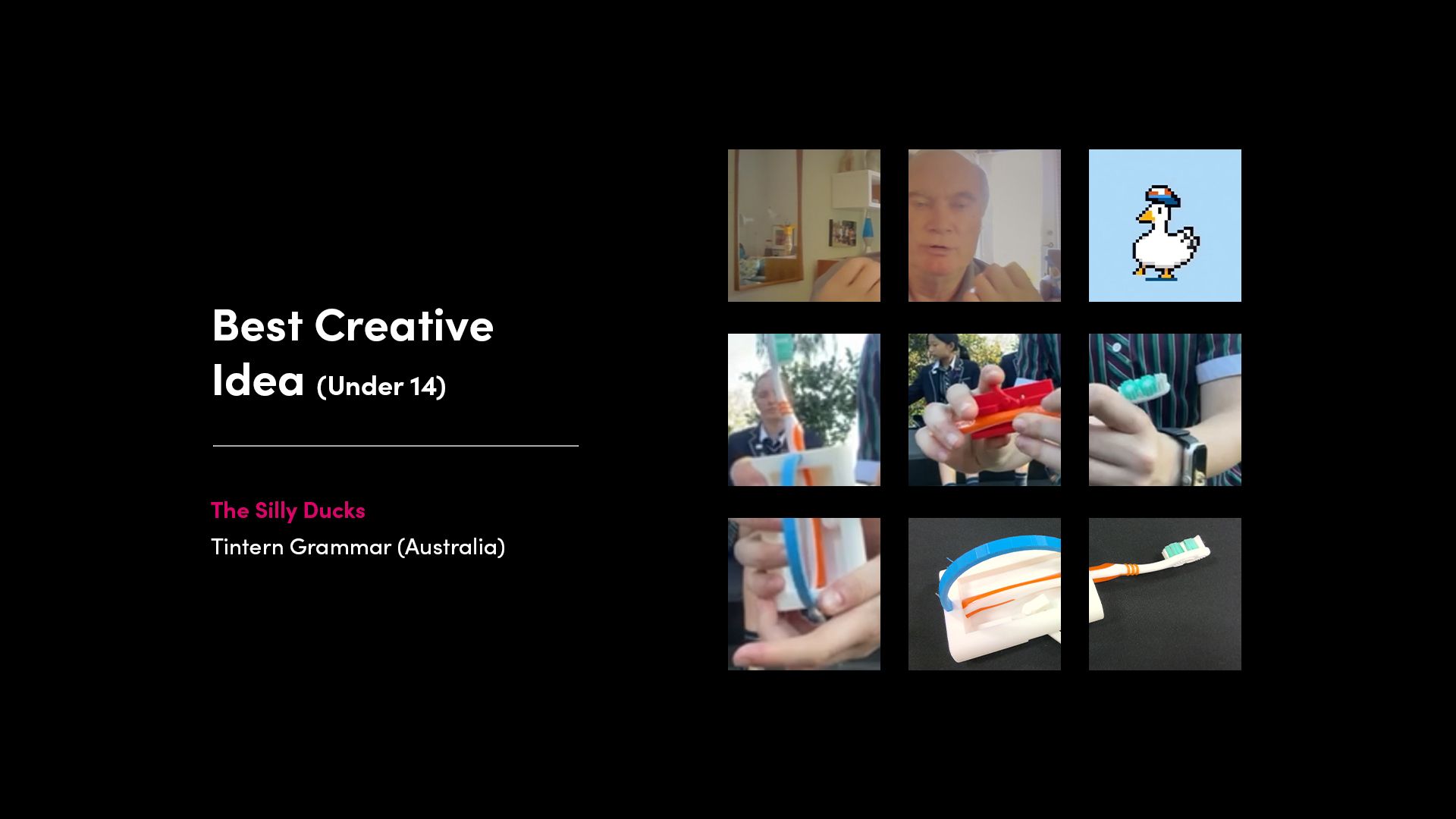
The winners of ‘Best Creative Idea’ for the under 14 age group are The Silly Ducks from Tintern Grammar (Australia). The Silly Ducks developed a creative toothbrush holder for Gary, a C6 quadriplegic with limited hand grip and flexibility. Rather than relying on a standard enlarged handle, the team explored a range of inventive locking and support mechanisms to securely hold the toothbrush while remaining easy to use. Through multiple prototypes and testing, they created a unique adjustable design that allowed the toothbrush to stay stable while moving naturally during brushing.
Best Creative Idea (14-18)
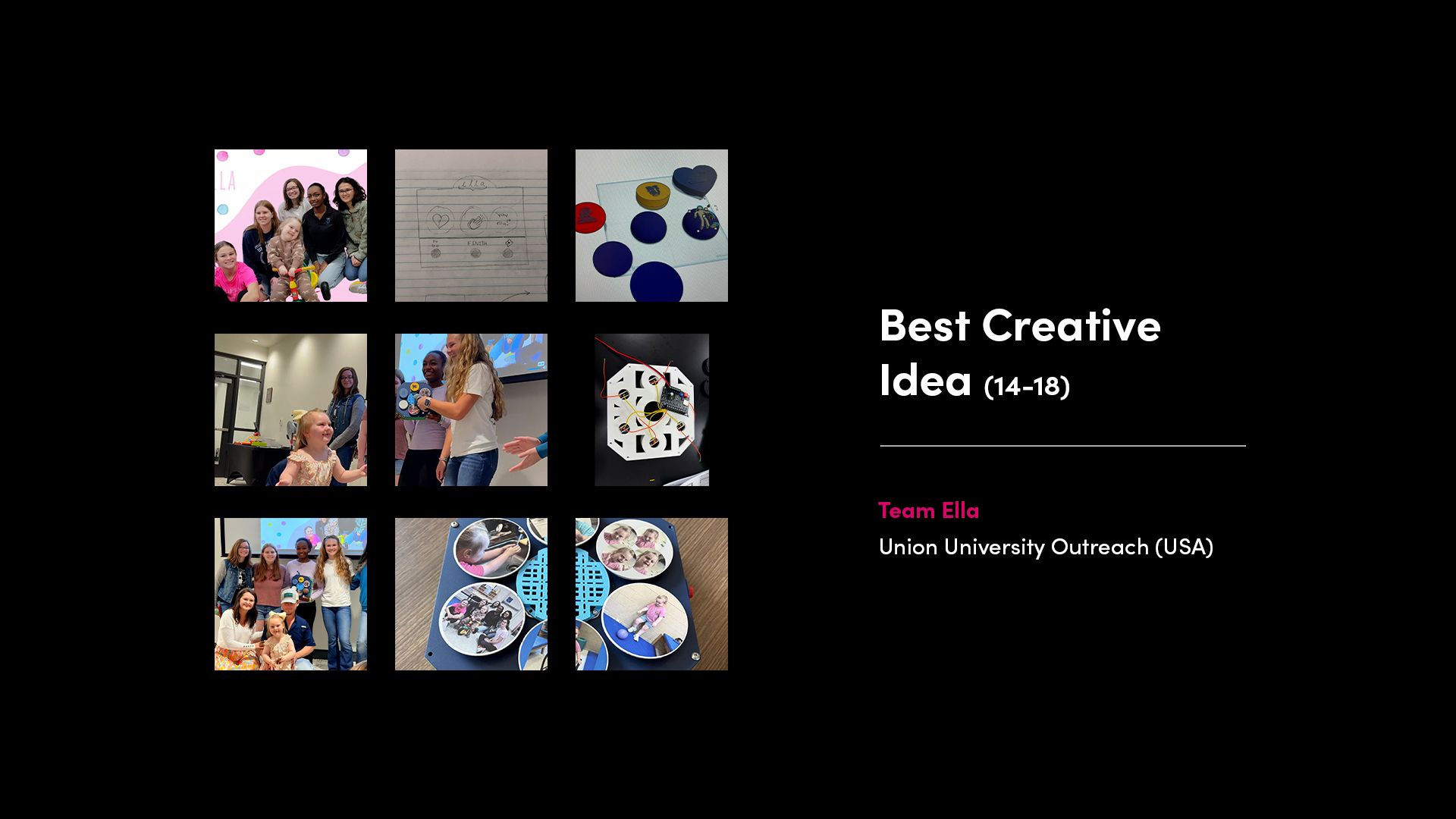
The winners of ‘Best Creative Idea’ for the 14-18 age group is Team Ella from Union University Outreach (USA), who pick up a 2nd award for their adaptive musical soundboard to help Ella, a 5 year-old girl with Trisomy 15.
View Submission
Best Creative Idea (Over 18)
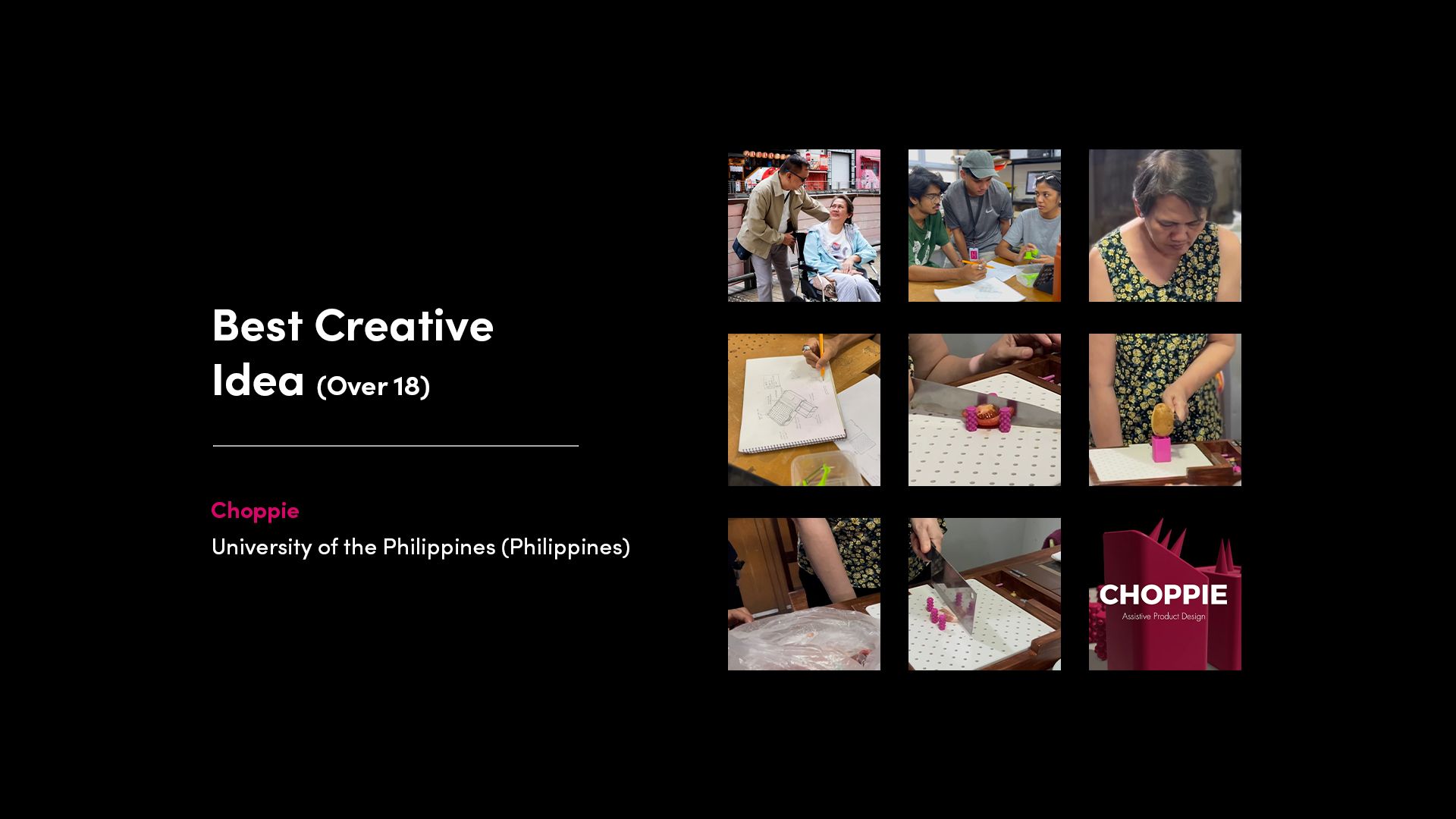
The winners of ‘Best Creative Idea’ for the over 18 age group is Choppie from the University of the Philippines. Team Choppie developed a peg-assisted chopping board to help Claire’s auntie, who has hemiplegia, prepare food more independently using one hand. Using interchangeable 3D printed pegs to secure different foods while cutting, the team created a highly adaptable and creative kitchen aid that reimagined traditional chopping boards through a simple but effective modular design.
View Submission
Best Use of Autodesk Software (Under 14)
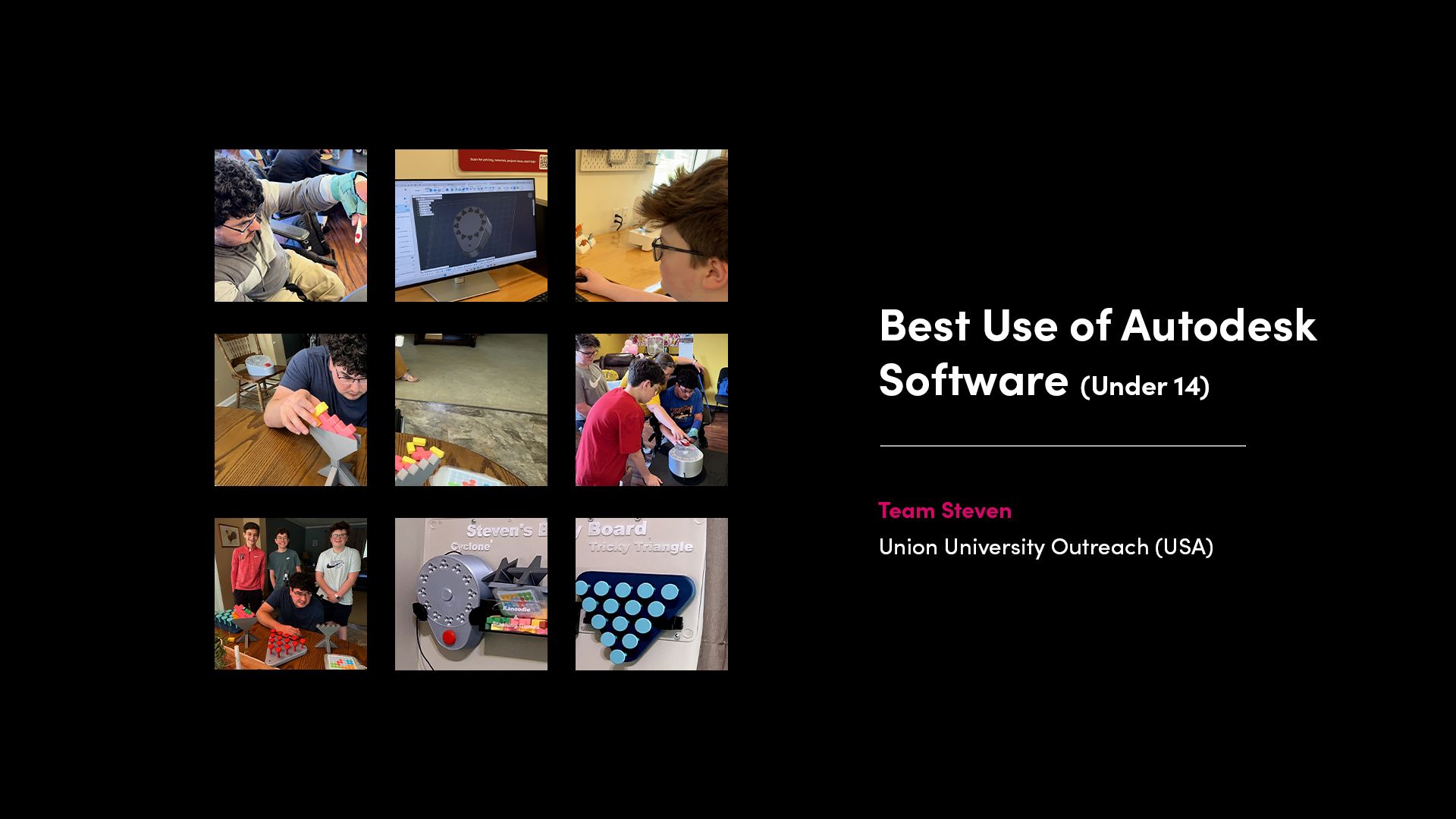
The winners of ‘Best Use of Autodesk Software’ for the under 14 age group is Team Steven from Union University Outreach (USA). Team Steven developed a collection of interactive games to help Steven, who has Cerebral Palsy, improve hand-eye coordination through play-based activities. Using Autodesk Fusion, the young team confidently designed and refined multiple custom games with scaled components, stabilising features, and integrated assemblies, demonstrating an impressive use of professional CAD tools to create a polished and engaging experience.
View Submission
Best Use of Autodesk Software (14-18)
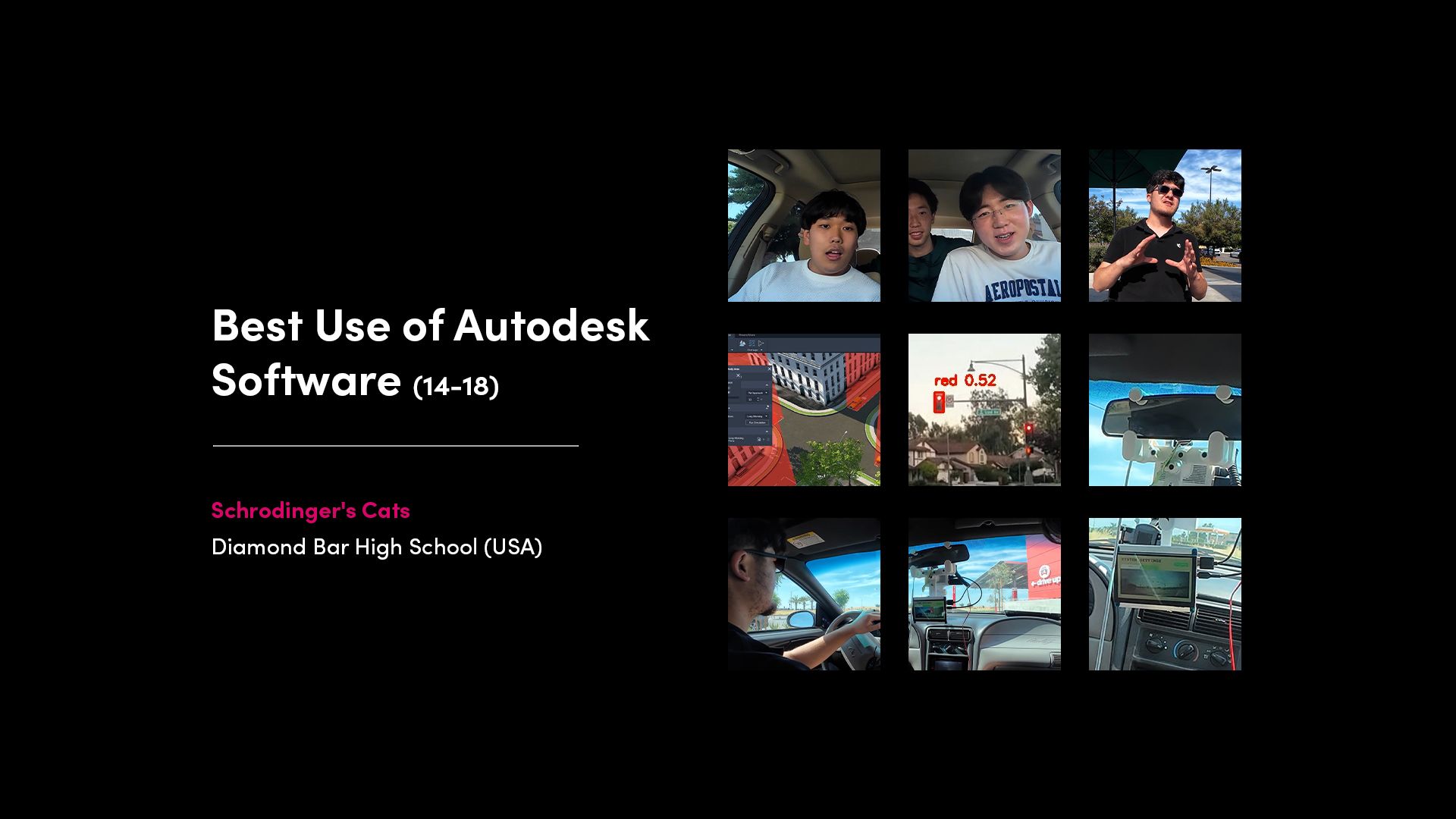
The winners of ‘Best Use of Autodesk Software’ for the 14-18 age group is Schrodinger’s Cats from Diamond Bar High School (USA). Schrodinger’s Cats developed SAURON, a mirror-mounted assistive device that helps drivers with color vision deficiency identify traffic lights through real-time visual and audio cues. The project demonstrated exceptional use of Autodesk software, combining advanced Fusion assemblies, motion simulations, stress analysis, and InfraWorks traffic simulations to refine the device’s mechanics, adaptability, and real-world performance.
View Submission
Best Use of Autodesk Software (Over 18)
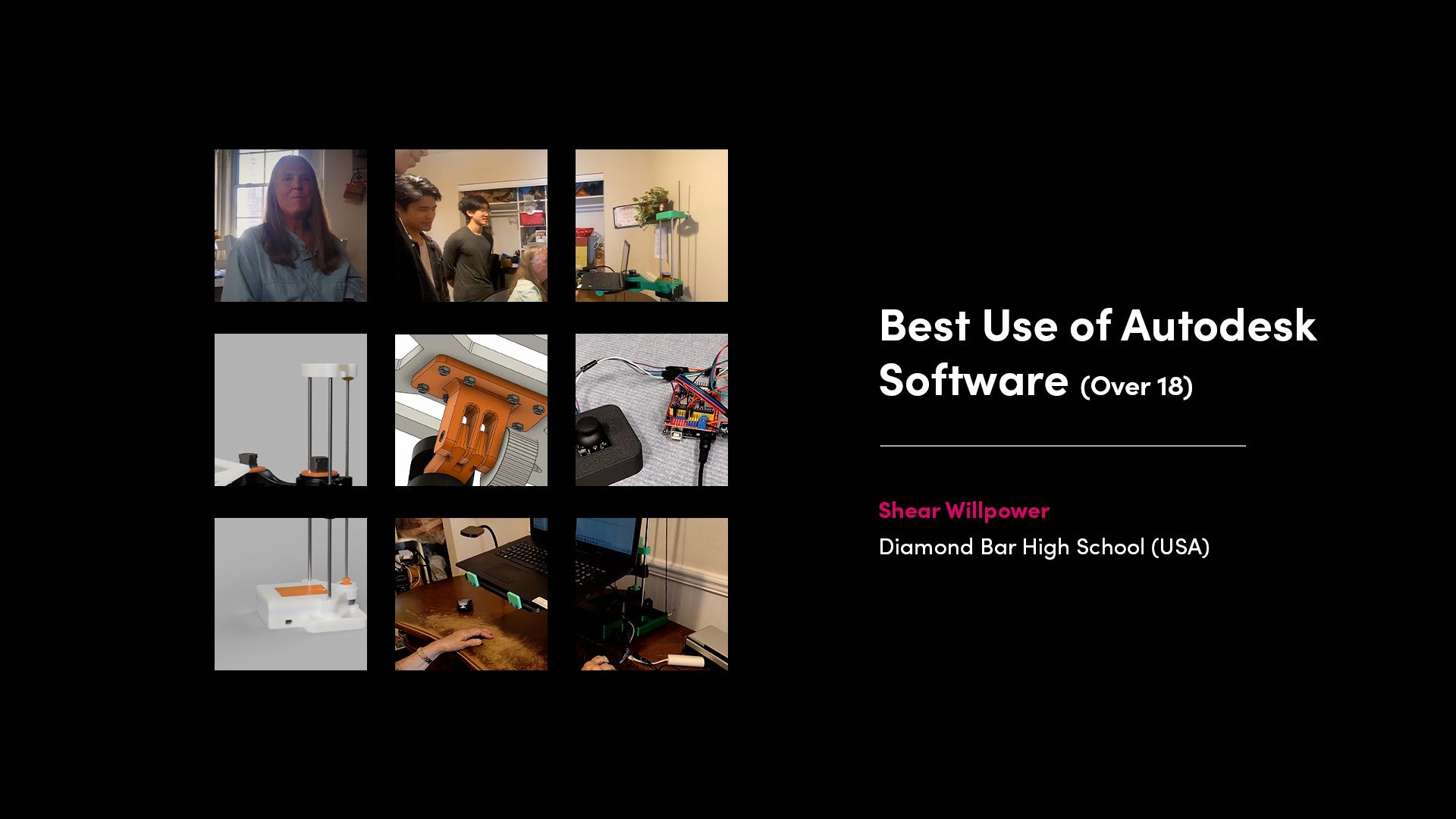
The winners of ‘Best Use of Autodesk Software’ for the over 18 age group is Shear Willpower from Diamond Bar High School (USA). Shear Willpower developed a highly customized motorized laptop stand for Martha, who experiences chronic pain and limited range of motion due to osteoarthritis and juvenile rheumatoid arthritis. Using Autodesk Fusion, the team created a complex multi-axis assembly with lead screw mechanisms, wave reducers, motion simulations, load analysis, and interference testing to engineer a reliable 5-degree-of-freedom device tailored precisely to Martha’s daily needs.
View Submission
Best Showcase of Customisation (Under 14)
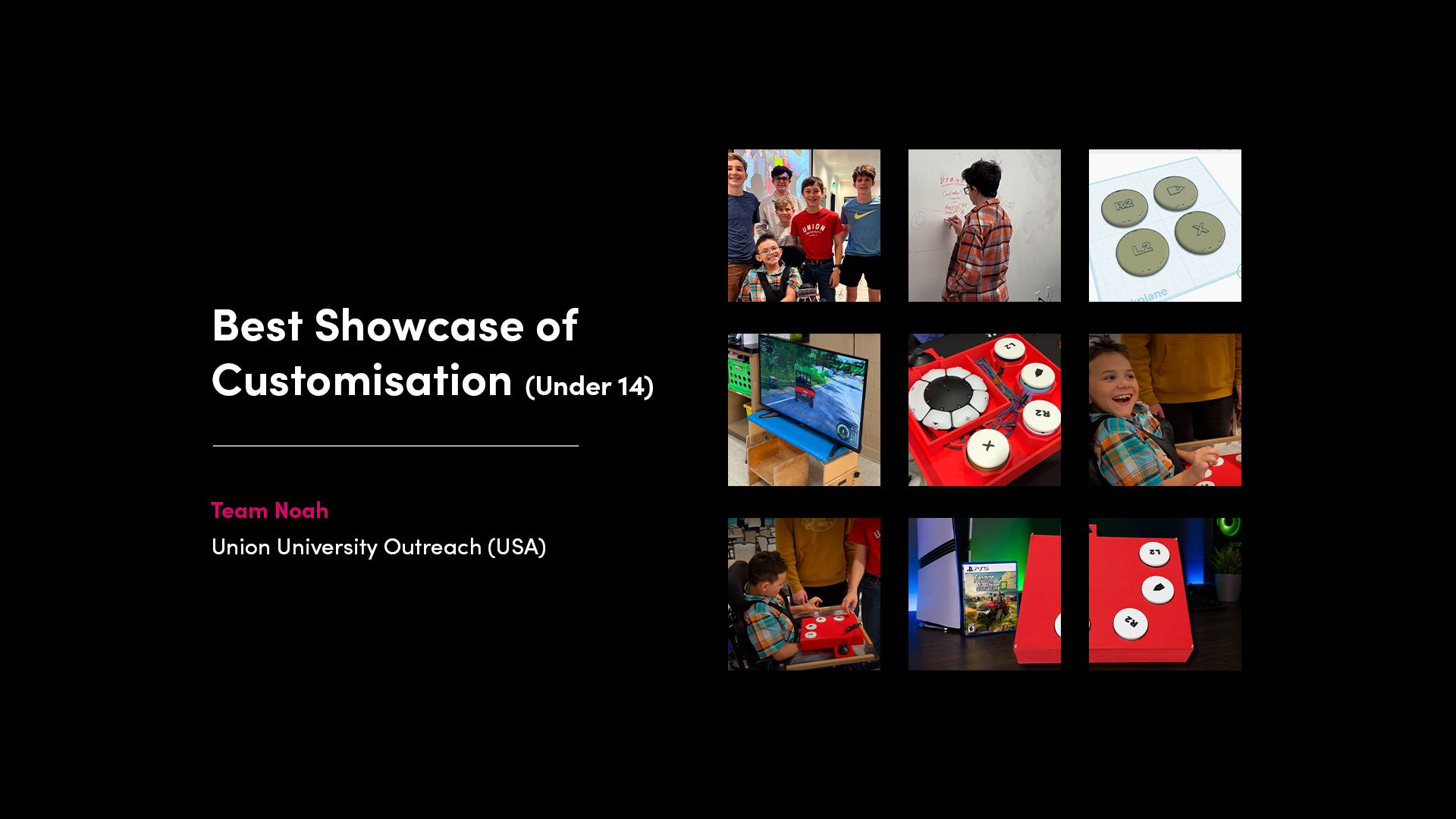
The winners of ‘Best Showcase of Customisation’ for the under 14 age group is Team Noah from Union University Outreach (USA). Team Noah customised a PS5 adaptive controller to help Noah, an 11-year-old with Lesch-Nyhan syndrome, play Farming Simulator independently with his dad. Through rewiring, enlarged button layouts, and carefully spaced controls tailored to Noah’s movement needs, the team used 3D design and printing to create a gaming setup that was easier to reach, simpler to control, and perfectly adapted to the way Noah interacts with the controller.
View Submission
Best Showcase of Customisation (14-18)
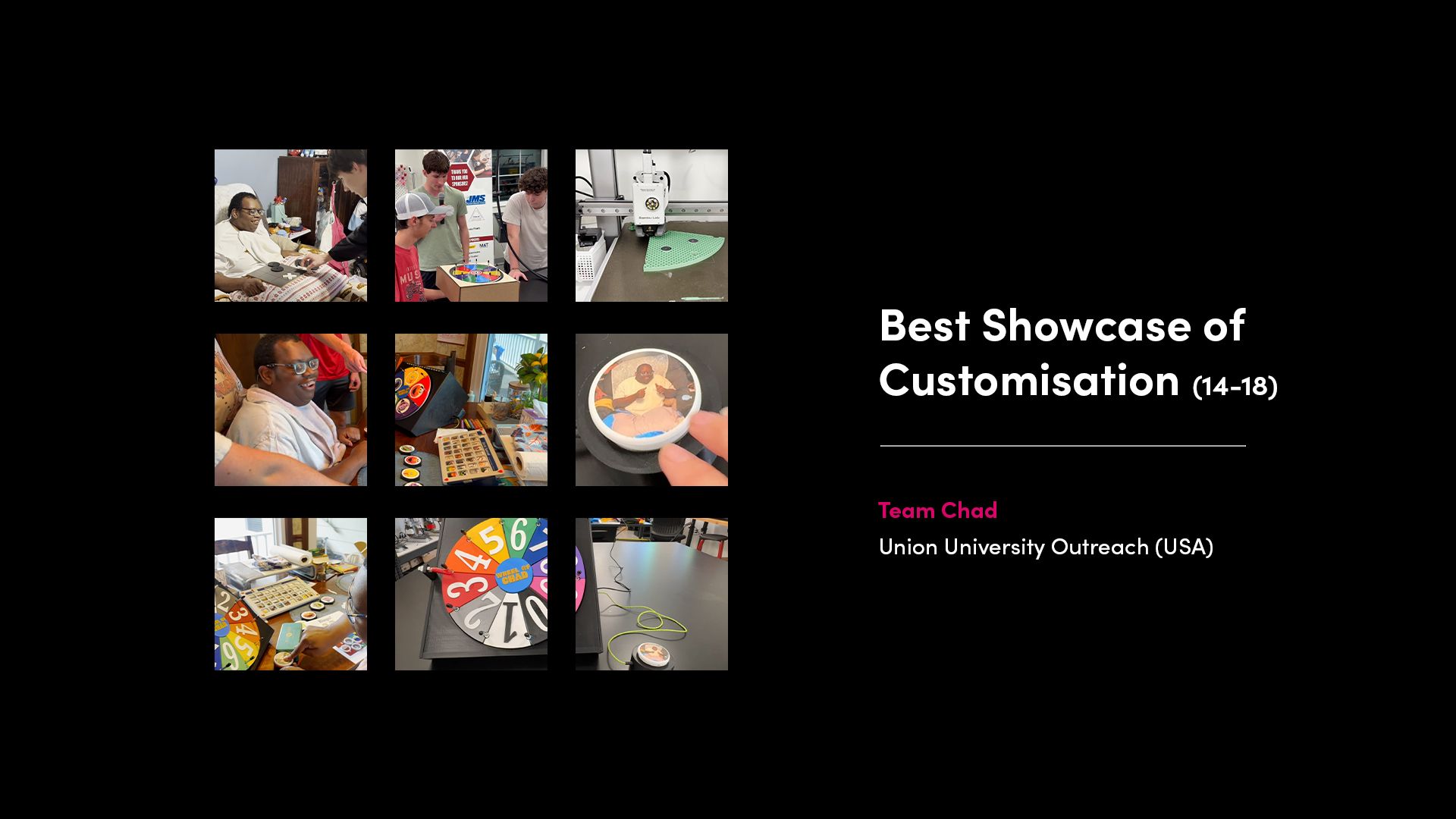
The winners of ‘Best Showcase of Customisation’ for the 14-18 age group is Team Chad from Union University Outreach (USA). Team Chad created a customised interactive game system inspired by game shows such as Wheel of Fortune, allowing Chad, who has Cerebral Palsy, to play more independently and comfortably. The team adapted the wheel angle for better visibility, designed a large personalised button that was easier to press, and developed interchangeable magnetic game components tailored to Chad’s abilities and interests. Through 3D design and printing, they created an engaging and accessible experience carefully customised to Chad’s physical needs and play style.
View Submission
Best Showcase of Customisation (Over 18)
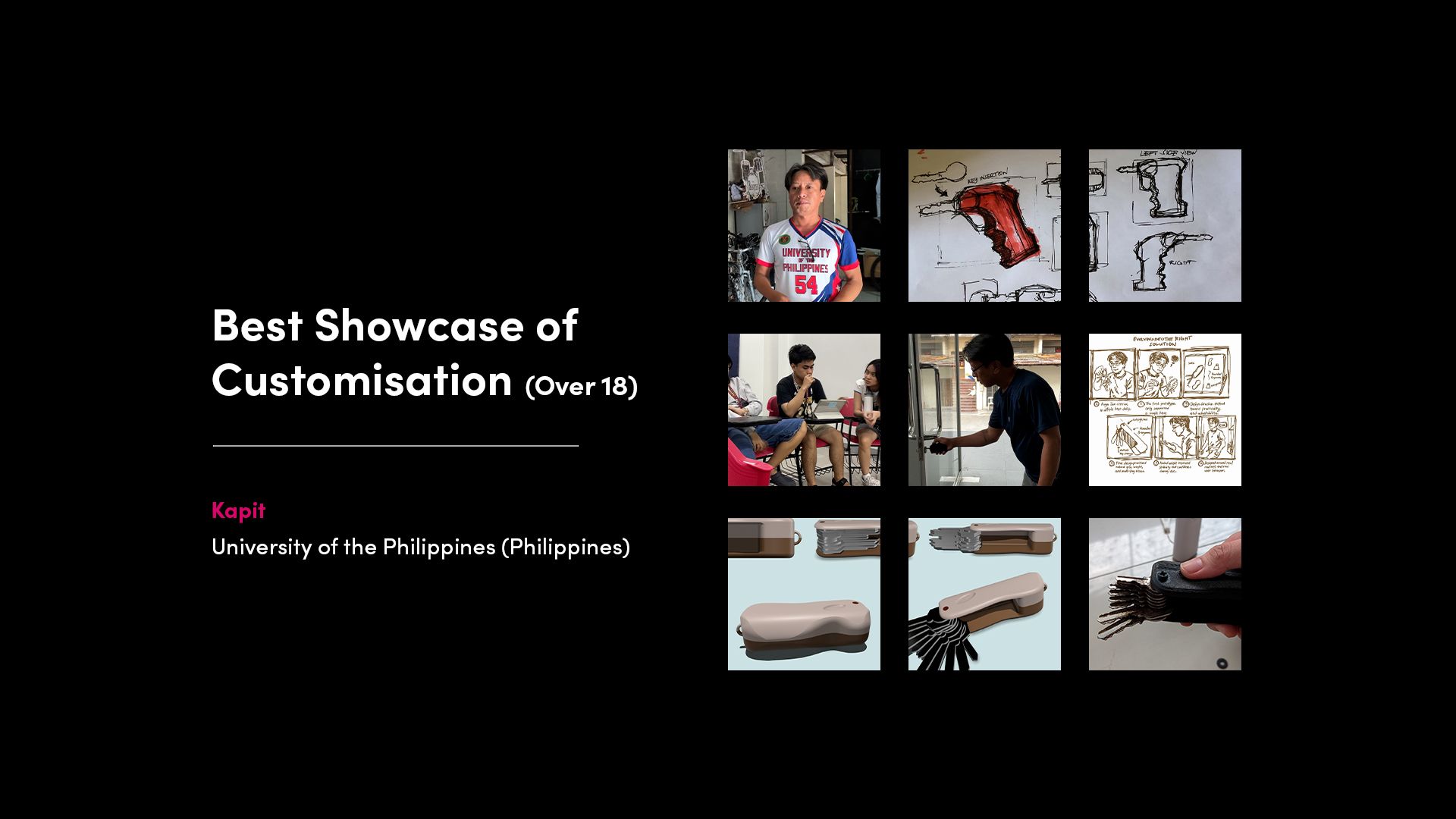
The winners of ‘Best Showcase of Customisation’ for the over 18 age group is Kapit from the University of the Philippines. KAPIT developed a customised ergonomic key grip designed for a maintenance staff member at the University of the Philippines experiencing hand tremors. Through testing and feedback, the team refined the grip shape, weight, size, and portability to create a more stable and practical solution for everyday use. The final design supports multiple keys within a compact holder while improving comfort, control, and ease of handling during precision tasks such as inserting and turning keys.
View Submission
Best Use of 3D Printing (Under 14)
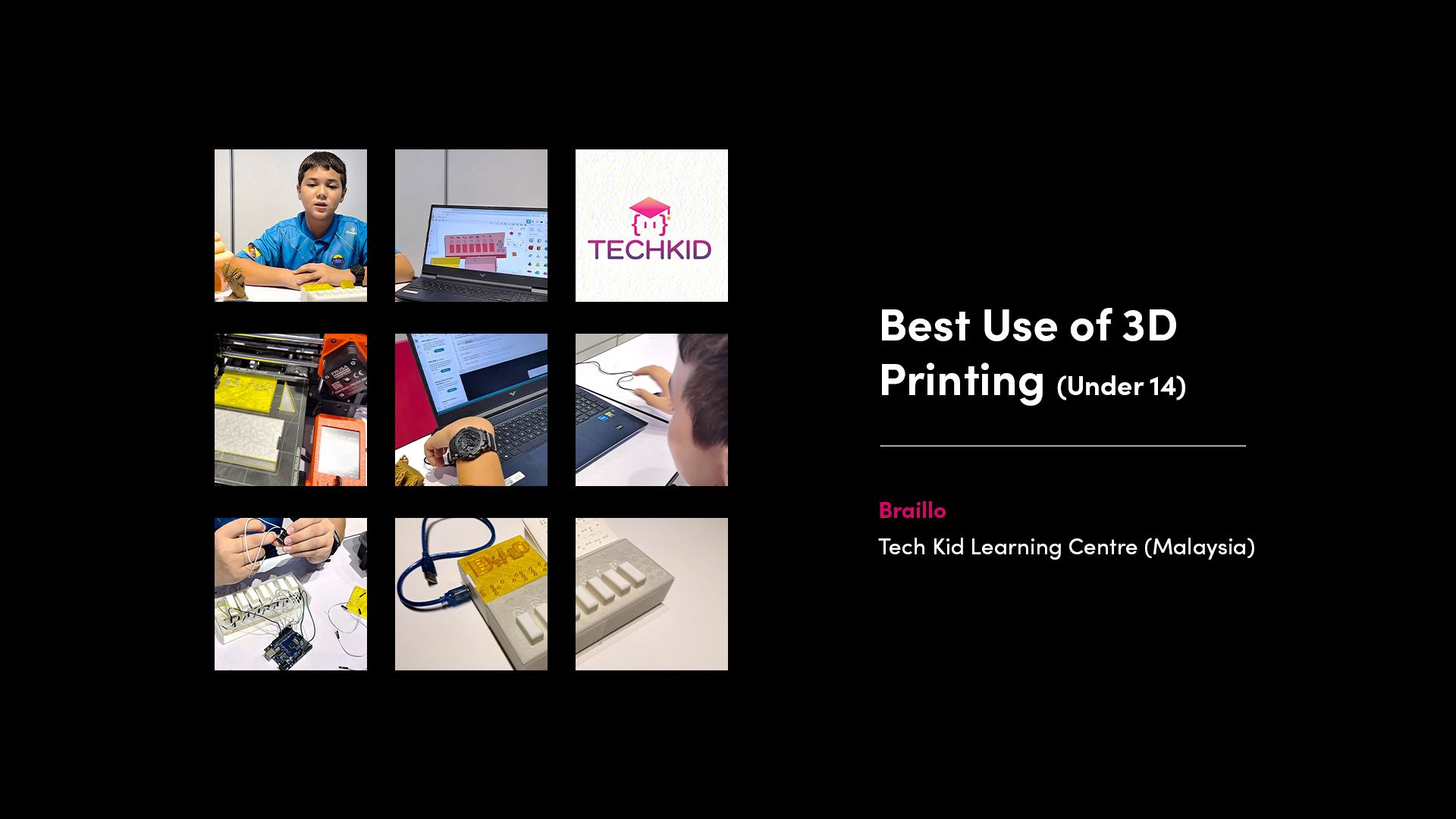
The winners of ‘Best Use of 3D Printing’ for the under 14 age group is Braillo from Tech Kid Learning Centre (Malaysia). Braillo is a tactile musical learning device designed to help visually impaired beginners learn piano through touch and sound. The project made strong use of 3D printing through its custom Braille surfaces, integrated button mechanisms, and precisely fitted enclosure components, allowing the student to create a highly tactile and accessible learning experience tailored to visually impaired users.
View Submission
Best Use of 3D Printing (14-18)
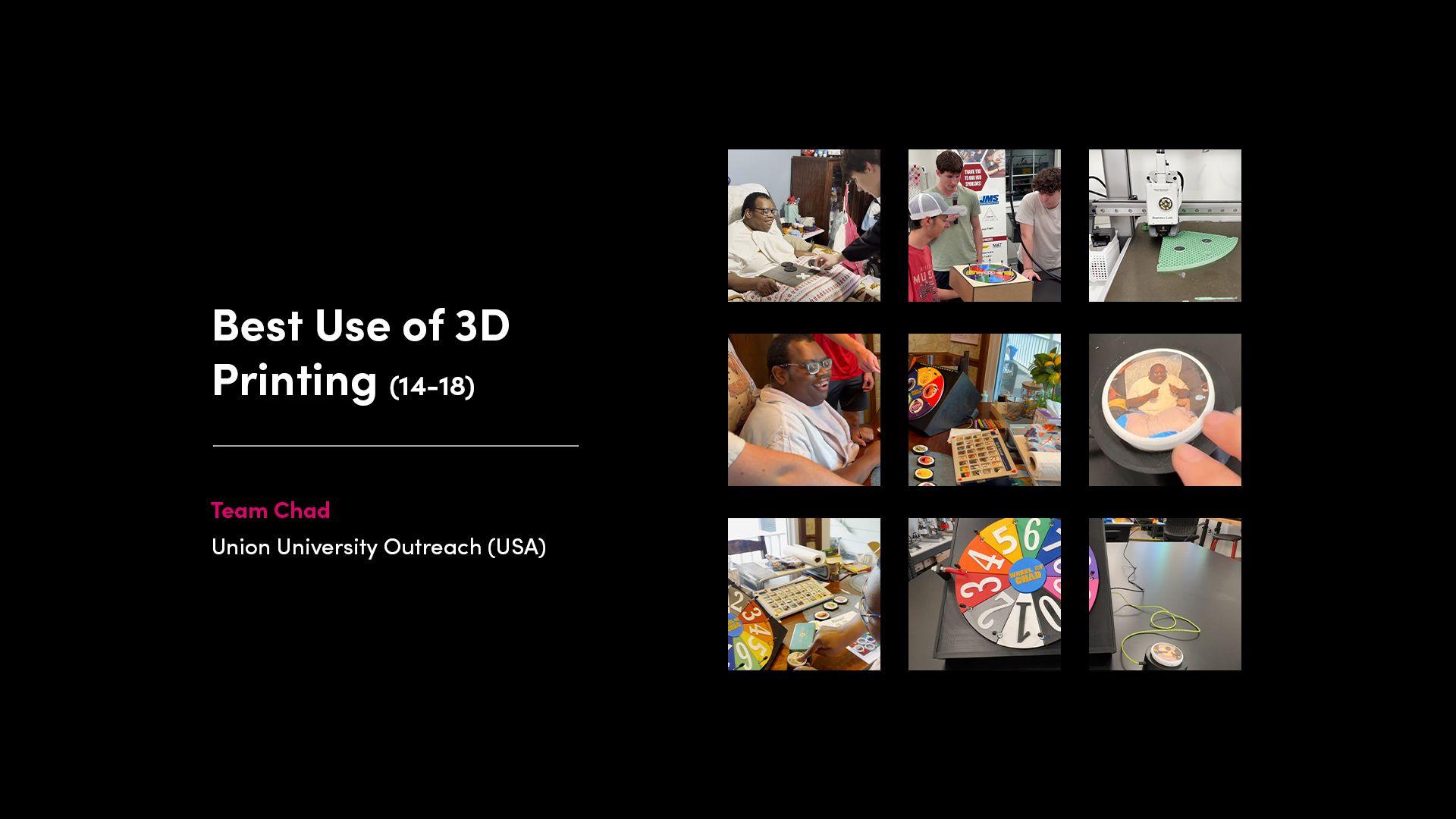
The winners of ‘Best Use of 3D Printing’ for the 14-18 age group is Team Chad from Union University (USA), who pick up a 2nd award for their highly interactive and adaptable game system inspired by Wheel of Fortune.
View Submission
Best Use of 3D Printing (Over 18)
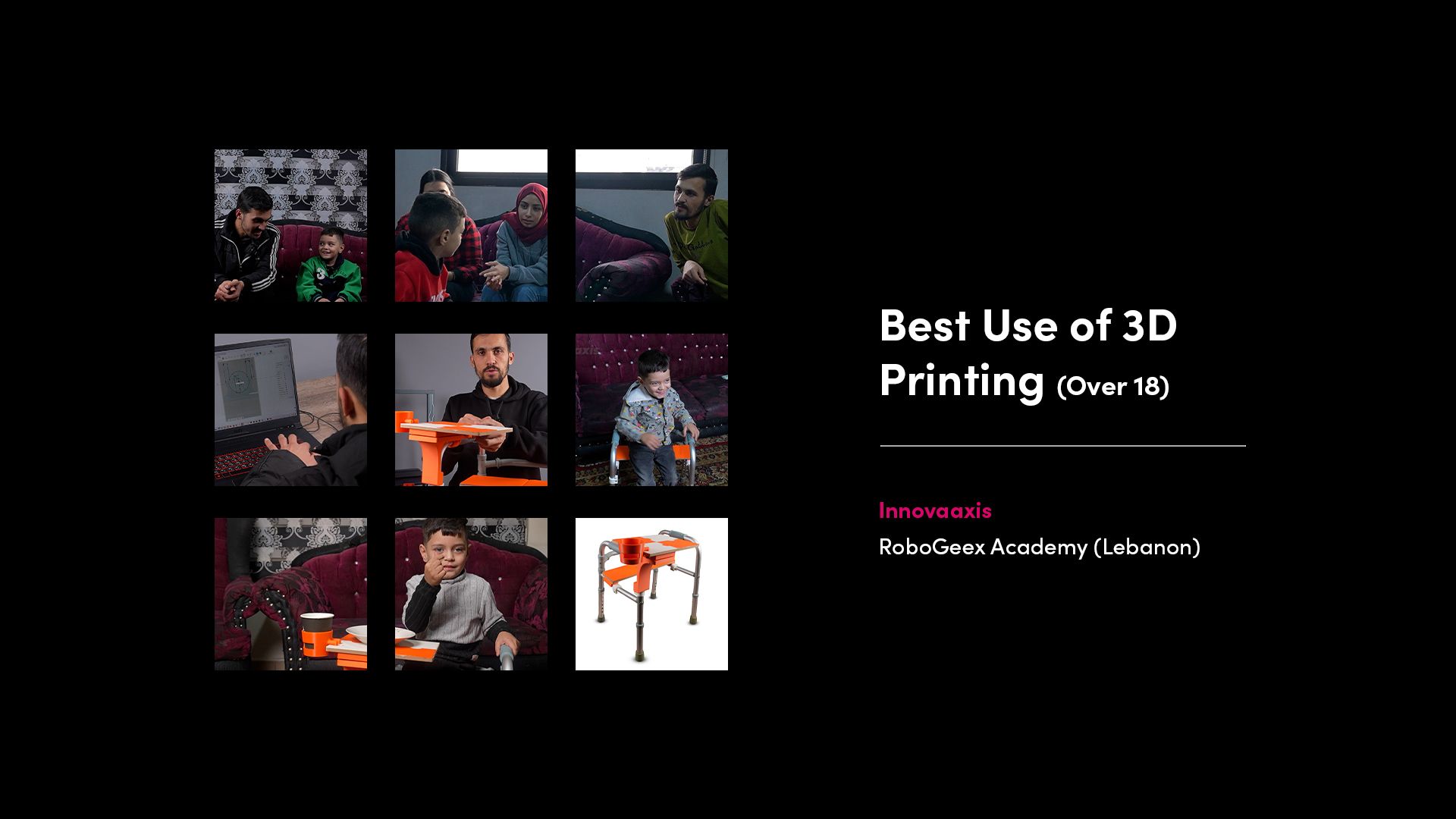
The winners of ‘Best Use of 3D Printing’ for the over 18 age group is Innovaaxis from RoboGeex Academy (Lebanon). Innovaaxis demonstrated an impressive use of 3D printing by developing a fully customized assistive system that enhanced Adam’s existing walker with seating, table extensions, fixation parts, and anti-slip components. The team went through extensive material and structural testing, refining infill settings, wall thicknesses, flexibility, and part geometry to balance strength, comfort, and usability. The project highlighted how 3D printing can be used not just for single components, but for creating an integrated and highly personalized mobility solution.
View Submission
Best Showcase of Iterative Design (Under 14)
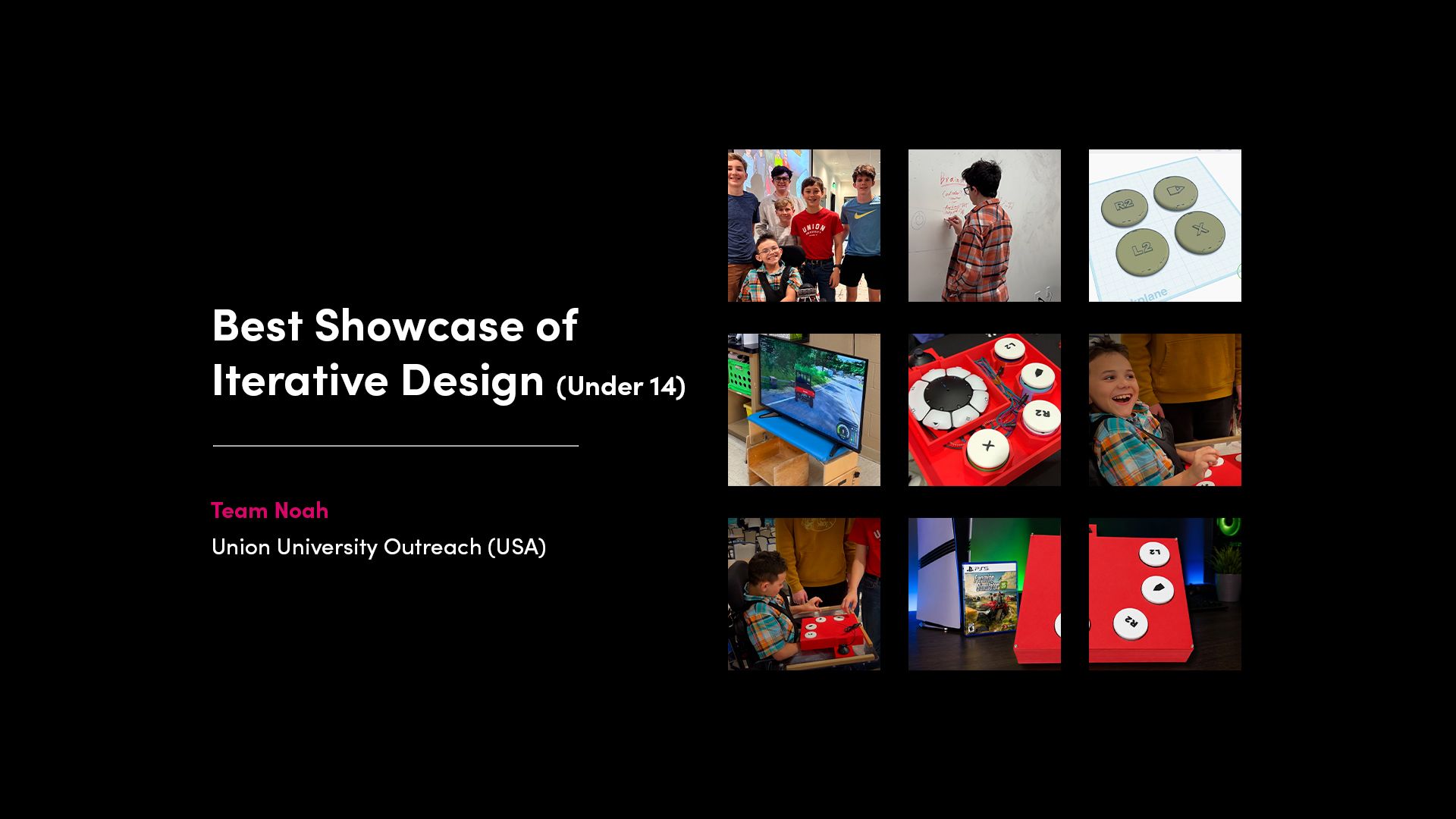
The winners of ‘Best Showcase of Iterative Design’ for the under 14 age group is Team Noah from Union University Outreach (USA), who pick up a 2nd award for their adaptive PS5 controller for Noah, an 11-year-old with Lesch-Nyhan syndrome.
View Submission
Best Showcase of Iterative Design (14-18)
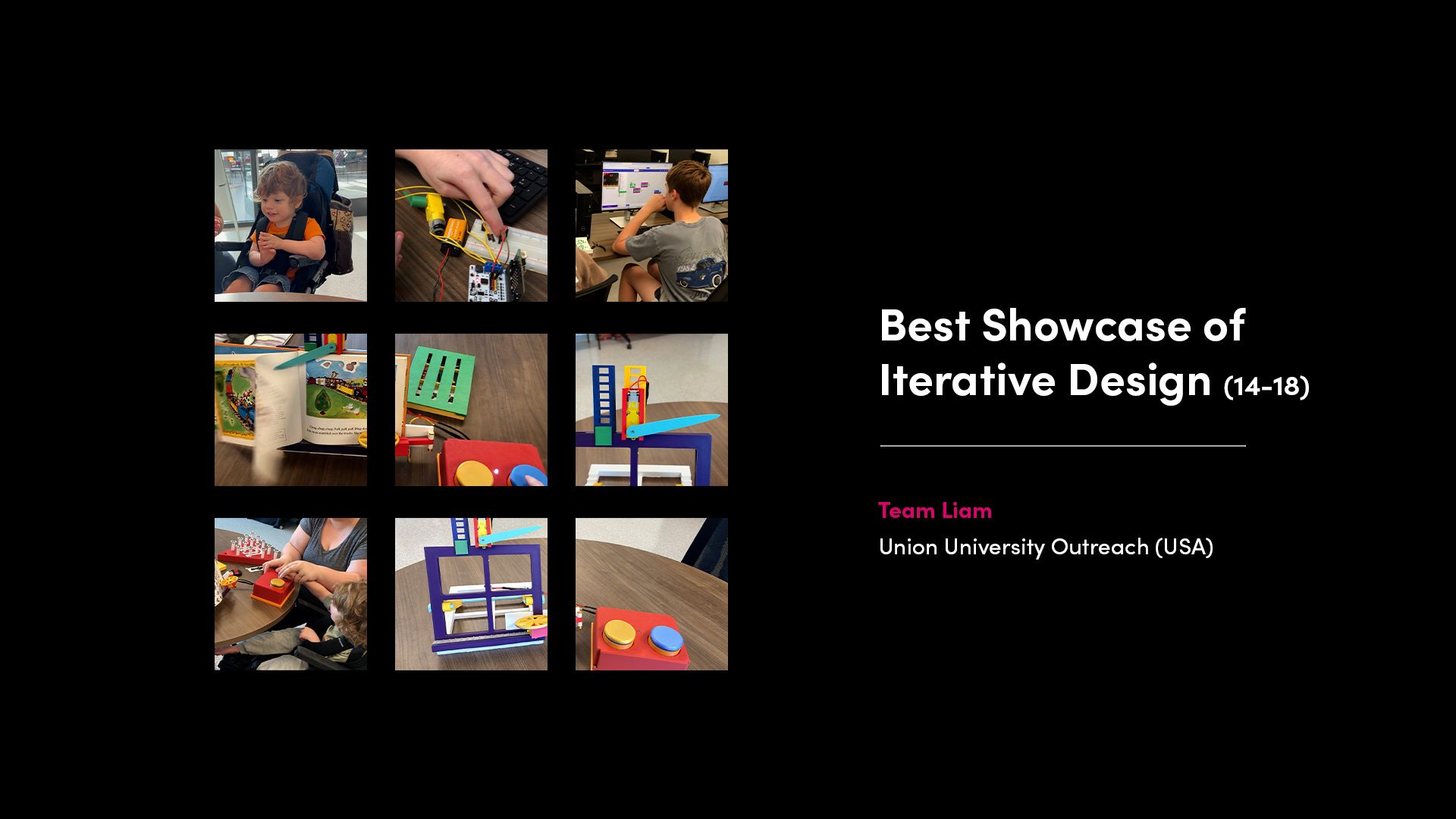
The winners of ‘Best Showcase of Iterative Design’ for the 14-18 age group is Team Liam from Union University Outreach (USA). Team Liam developed a Micro:bit controlled page turner to help Liam, a young boy with Pitt-Hopkins Syndrome, interact with books more easily and independently. Because reliable page turning presented such a complex mechanical challenge, the team went through extensive rounds of prototyping and testing, refining gears, flipper arms, button systems, and structural components through multiple iterations to create a more consistent and dependable device.
View Submission
Best Showcase of Iterative Design (Over 18)
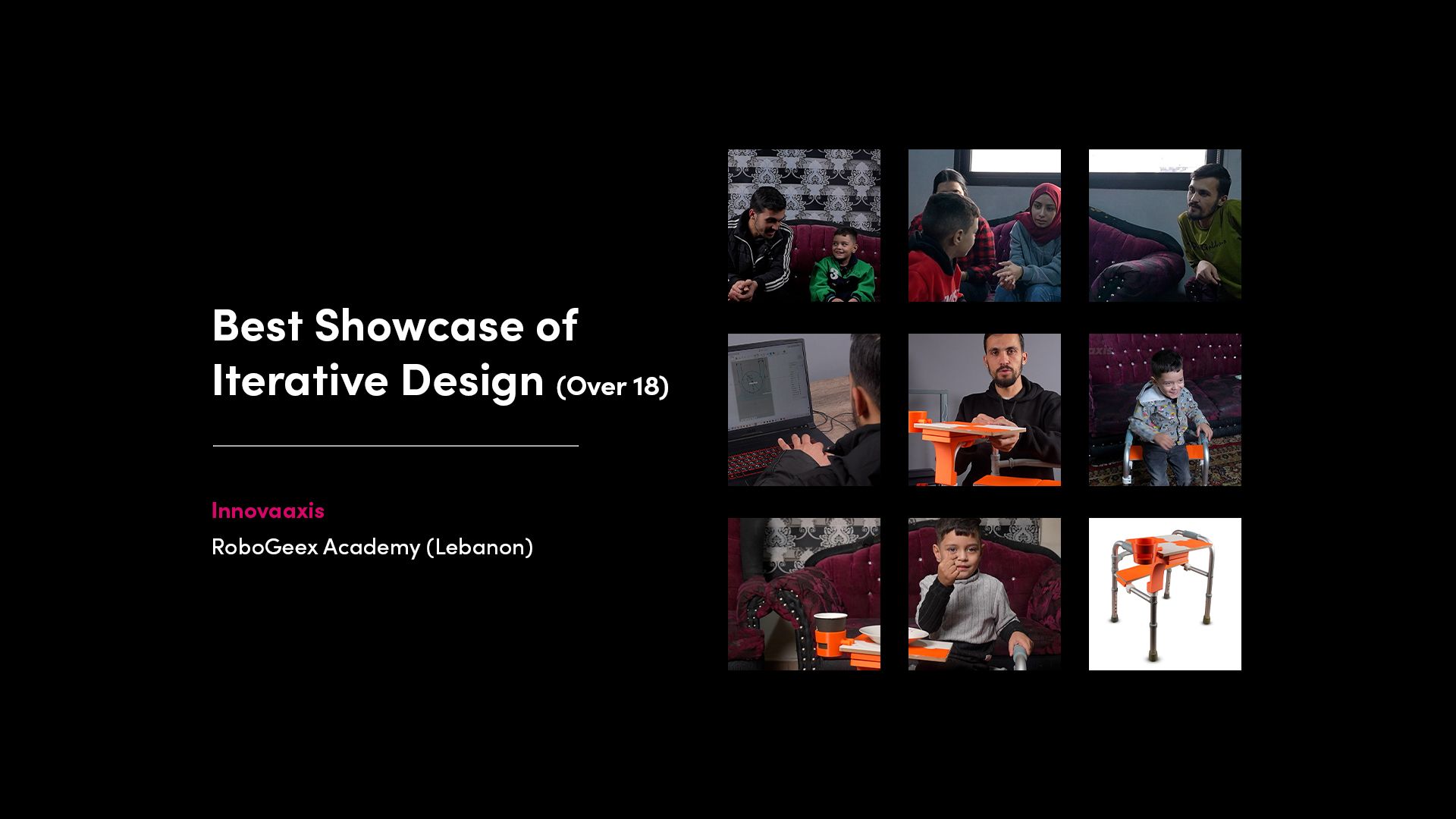
The winners of ‘Best Showcase of Iterative Design’ for the over 18 age group is Innovaaxis, who pick up a 2nd award for their customized assistive system for Adam’s walker.
View Submission
Take Part in Make:able 2027
Feeling inspired? Registration for Make:able 2027 is now open, giving students, educators, makers, and professionals another opportunity to design assistive devices that make a meaningful difference to people’s lives. Participation is completely free, and a refreshed challenge toolkit will be released in November with new resources and guidance while keeping the overall challenge format the same.
Whether you’re joining for the first time or returning with a new team, we’d love to see your ideas come to life. Visit makeablechallenge.com to register and get started.